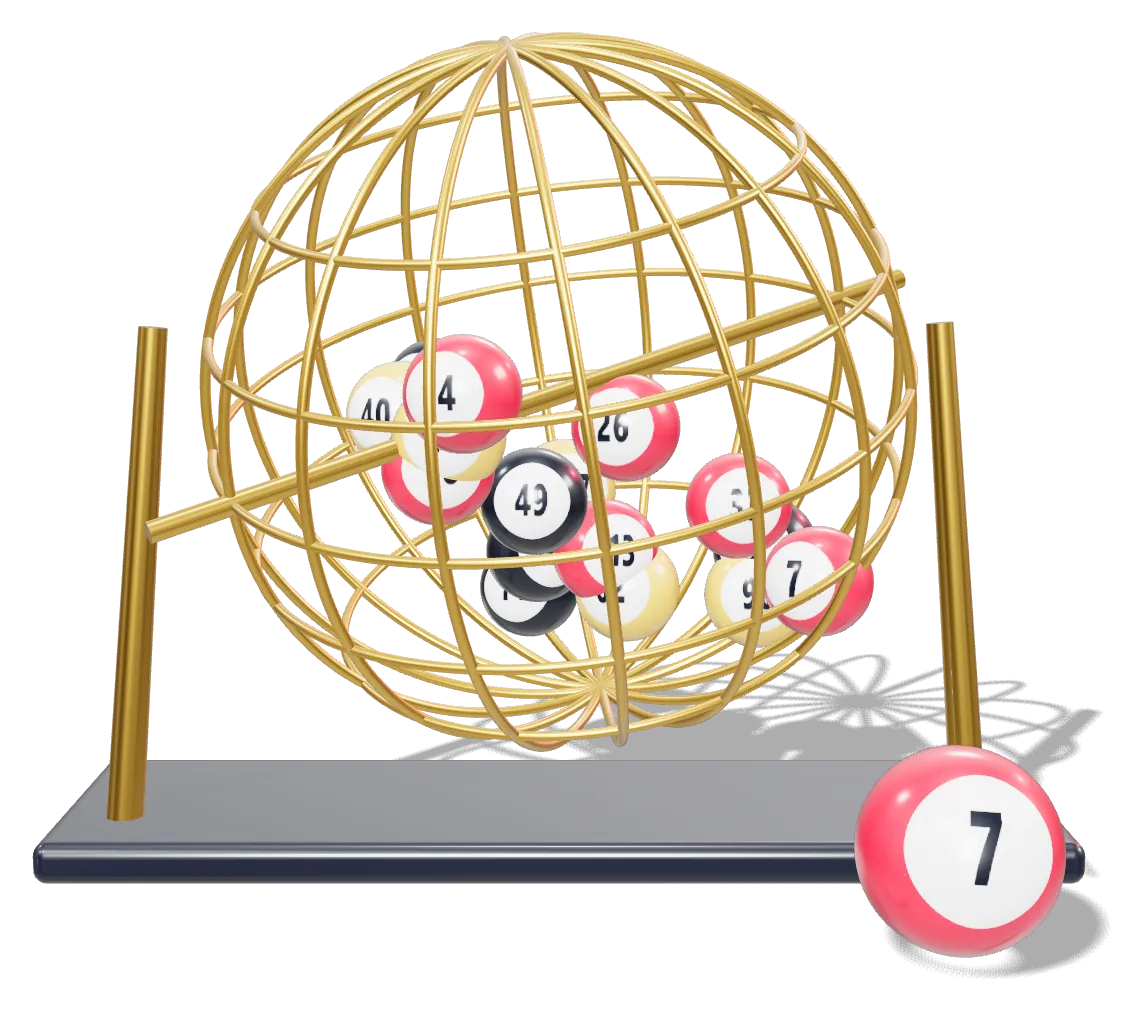

The caller makes the bingo night. With the same prizes, hall and players, an evening can be memorable or endless depending on who holds the microphone. A good caller is not necessarily very outgoing: it is someone who calls clearly, keeps a steady rhythm and knows how to lighten the mood when needed.
This guide gathers the techniques of experienced callers, from how to say a number to how to handle a false call, with the list of traditional bingo calls.
In short. Call each number in two steps (the digits, then the number), at a steady pace (about ten seconds between numbers in a typical hall), always the same way. Speak close to the microphone, slowly, and never call the next number until a claim has been checked.
Calling a number: the two-step method
In a village hall, background noise never stops: chairs, conversations, children, the refreshment table. A number called once, quickly, will be misheard by part of the hall. Hence the method most callers use:
- the separate digits: “four and seven…”;
- the whole number: “forty-seven”.
For 1 to 9, say “on its own, number five”, so players do not wait for a second digit.
This removes the most common confusions: thirteen and thirty, fourteen and forty, fifteen and fifty, sixteen and sixty. These are the pairs players mix up most, especially at the back of the hall.
Consistency first
Choose one style and do not change it all night. If you say “four and seven, forty-seven” for the first number, say it the same way for the sixtieth. Players get used to your rhythm and anticipate: dabber ready at the right moment.
Finding the right pace
The most common question from new callers: how long between two numbers?
| Audience | Suggested gap | Why |
|---|---|---|
| Family or school bingo | 10 to 15 seconds | beginners, children, several tickets each |
| Regular players | 6 to 10 seconds | they are quick and get bored if it drags |
| Care home | 20 to 30 seconds or more | give everyone time to find the number |
| Speed game | 3 to 4 seconds | deliberately hard, for one game only |
The right gap is set by watching the hall: if many heads are still bent over tickets when you call the next number, slow down. If players look up and wait, speed up slightly.
Think of players with lots of tickets: a regular playing three books needs more time than someone with one. In a hall of regulars, just ask: “all right for speed?”. They will tell you.
Using the microphone well
- Hold the microphone a few centimetres from your mouth, always at the same distance. A microphone that moves away when you turn your head changes the volume.
- Speak more slowly than in conversation, and finish your words. “Six-ty six”, not “sissy-six”.
- Do not shout: let the sound system do the work. A forced voice becomes tiring after an hour, for you and for the hall.
- Test before the doors open, from the back of the hall: ask a volunteer if they can hear you clearly.
- A glass of water within reach: a bingo night means three hours of talking.
If you call alone, a wireless microphone lets you move around to check tickets without breaking the atmosphere.
Traditional bingo calls
Bingo calls are part of British bingo tradition. Used well, they lighten the mood and help players remember the numbers. Here are some of the best known, all family-friendly.
| Number | Call |
|---|---|
| 1 | Kelly’s eye |
| 2 | one little duck |
| 3 | cup of tea |
| 4 | knock at the door |
| 5 | man alive |
| 7 | lucky seven |
| 8 | garden gate |
| 9 | doctor’s orders |
| 11 | legs eleven |
| 12 | one dozen |
| 13 | unlucky for some |
| 16 | sweet sixteen |
| 21 | key of the door |
| 22 | two little ducks |
| 26 | pick and mix |
| 45 | halfway there |
| 50 | half a century |
| 52 | deck of cards |
| 66 | clickety click |
| 76 | trombones |
| 77 | sunset strip |
| 88 | two fat ladies |
| 89 | nearly there |
| 90 | top of the shop |
Every region and many halls have their own calls, linked to a regular or a local story. They are often the best ones: feel free to invent them with your players.
Good practice
- The call comes with the number, never instead of it: “two little ducks, twenty-two”. A player who does not know the call must be able to mark without thinking.
- Not on every number: a dozen calls in the evening is plenty. Too many slow the game down.
- Read the room: some cheeky calls circulate in halls of regulars. Keep them for audiences who expect them, and never at a school bingo or in a care home.
- Let the hall answer: when a call is well known, say the number and let players shout the call (and the “quack quack” for 22). It is the sign the atmosphere has taken off.
In FandeLoto, bingo calls are switched on in the settings: they appear on screen with the number, and you can edit the list or add your own.
Building atmosphere without slowing the game
A good caller talks between games, much less during them. During the draw, every extra sentence delays the next number, and players are concentrating. Keep the jokes, thanks and announcements for transitions.
During a game
- give the state of play sparingly: “still playing for one line” after a long wait;
- build tension when you sense the full house is near: “someone’s sweating at the back”;
- a quick word on a call, a reaction to a player’s shout, then carry on.
Between games
This is the time to:
- present the next game and its prize, naming the partner who donated it;
- explain variations if the game is not a classic one (see our bingo game ideas);
- remind people about refreshments, the raffle, tickets on sale;
- thank the volunteers, the venue, the partners.
One minute is enough, two at most. Beyond that, the hall drifts off.
When a player shouts “House!”
This is the most delicate moment of the night. Here is the routine that avoids disputes.
- Stop the draw immediately. Do not call another number until the check is done. This is the golden rule.
- Ask the player to raise their hand and send a checker (a volunteer) to their table.
- Have the numbers read aloud by the checker, on the microphone if possible. The hall hears, the caller checks against the board or screen.
- Announce the result clearly: “that’s a good house!” or “sorry, thirty-six hasn’t been called, we carry on”.
- Ask whether anyone else has won on the same number before carrying on, then apply the tie rule.
A winner must claim before the next number is called. Announce this rule at the start of the evening and include it in your house rules: it prevents most disputes.
The false call
It happens every night: a player has marked the wrong number or misheard. Never embarrass them. A light remark (“so close! it was sixty-six, not sixteen”), a little applause from the hall, and carry on. The player will come back next year if they were not humiliated.
If false calls keep happening on the same number, it is often a calling problem: go back to the two-step method, and check the sound at the back of the hall.
With software
Bingo software makes checking easier: the checker reads out the ticket’s numbers, you type them in, and the software immediately says whether the ticket wins, with no chance of misreading. And since every number called stays on the big screen, players check their own tickets: false calls become rare.
Managing the hall
Chatty tables
Noise is the enemy of calling. Rather than asking for silence every five minutes, which annoys everyone:
- slow down a little and lower your voice: the hall goes quiet to hear;
- wait a few seconds, in silence, before the next number;
- if needed, a remark with a smile: “I can wait, I’ve got all night”.
Disputes
A player disputes a number (“you said sixteen!”): show the ball, or the screen. If you use a ball machine, keep the drawn balls in a visible tray, in order, so you can show them at any time. A permanent display of numbers on a big screen settles the question before it is even asked.
Children
At a school bingo, children want to take part. Give them jobs: bringing prizes to winners, drawing the ball for the children’s game, shouting “house” on the microphone with you. They will be calmer and prouder.
Calling alone or as a pair
The ideal duo: a caller on the microphone, who calls and builds the atmosphere, and an operator at the ball machine or computer, who draws, displays and checks. Each keeps their attention on one task, and mistakes almost disappear.
If you are alone, simplify:
- software that draws, displays and calls the numbers for you frees you completely;
- an automatic draw (one number every X seconds) lets you go and check a ticket or help a player without stopping the game;
- a recorded voice calls each number clearly and steadily, twice if needed, and you keep the microphone for the atmosphere.
This is especially useful in care homes, where the activity coordinator is better off with the residents than behind a table: our tips for bingo in care homes explain how.
Caller’s checklist
Before the doors open:
- the programme of games and prizes, printed or on screen
- a microphone test from the back of the hall
- the ball machine checked (all 90 balls), or the computer connected and tested
- the tie rule decided
- the “before the next number” rule ready to announce
- the names of partners to thank, game by game
- a checker appointed, with a torch if the hall is dark
- water
And for setting up the equipment (computer, screen, sound), see our guide to equipment for bingo on a big screen.